Modern facilities contain far more electrical and communication infrastructure than many buildings did in the past. Manufacturing automation, building management systems, networking, surveillance, data equipment, instrumentation, and electrical distribution can create extensive cable routes throughout a facility.
This makes selecting a suitable Cable Tray Manufacturer in Bangalore relevant for contractors and project teams planning organised, accessible cable management.
Different Cables Create Different Routing Needs
A modern project may contain power, control, data, instrumentation, security, and communication cabling.
Rather than treating these as one undifferentiated cable bundle, designers should consider routing requirements, separation, accessibility, load, and applicable electrical standards.
An organised cable tray layout can support:
- Easier cable identification
- More structured routing
- Better maintenance access
- Planned cable separation
- Future additions
- Cleaner service corridors
- More manageable modifications
The final arrangement should always follow the project's electrical design and applicable requirements.
Choose Tray Configuration According to Application
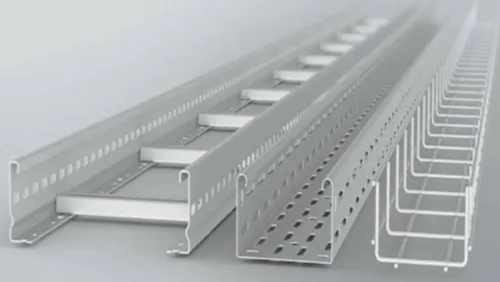
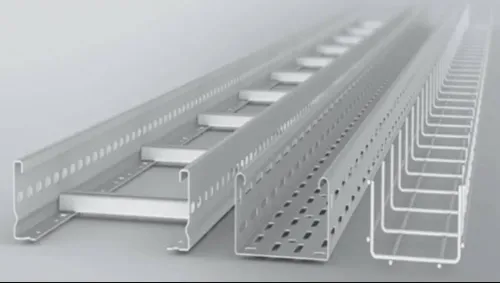
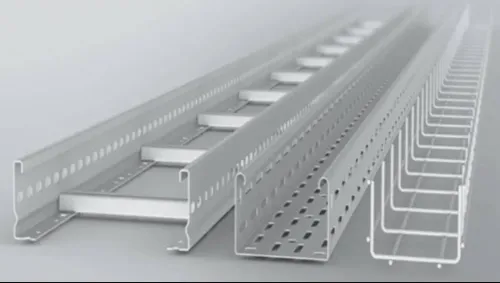
Perforated and ladder cable trays are widely used configurations, but their suitability depends on the project.
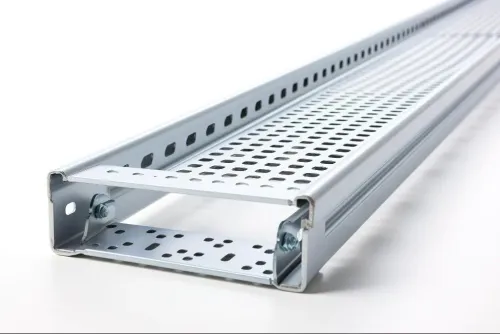
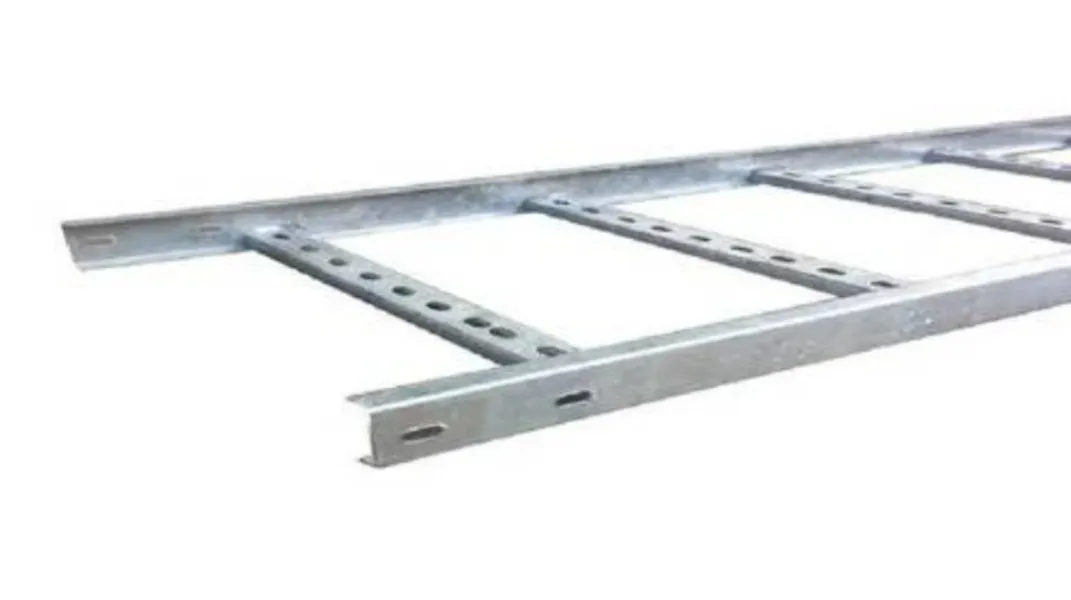
Perforated trays provide a supporting surface with openings for ventilation. Ladder trays provide an open structure with rungs between side members, making cables accessible along the route.
The decision should consider cable type, loading, route, ventilation, support arrangement, installation environment, and consultant specifications.
Think Beyond Straight Sections
Cable routes in manufacturing plants, technology facilities, commercial developments, and infrastructure projects rarely remain straight.
The system may need to change direction, elevation, or width while navigating building services and equipment.
This is why project planning should account for appropriate bends, tees, reducers, couplers, covers, and related components rather than treating accessories as an afterthought.
Drawings Improve Manufacturing Coordination
Providing layout information can significantly improve communication between buyers and manufacturers.
Useful information includes:
- Tray width and height
- Required lengths
- Material specification
- Surface finish
- Quantity
- Accessories
- Site environment
- Project schedule
Electrotech Industries works with customers requiring cable tray solutions for electrical and industrial applications, including requirements serving projects beyond its Pune base.
For Bangalore and Karnataka projects, procurement decisions should ultimately focus on compatibility with engineering requirements rather than selecting trays solely according to availability.
A properly planned system creates a defined cable pathway that can support installation, inspection, maintenance, and future changes throughout the facility's operating life.
Keywords