Electrical installations in Mumbai can operate in very different environments, from commercial towers and hospitals to industrial units, infrastructure facilities, warehouses, and coastal locations. Cable routing systems used in these projects need to be selected with the operating environment firmly in mind.
When searching for a Cable Tray Manufacturer in Mumbai, one of the most important questions is whether the tray specification is appropriate for where and how it will actually be installed.
Why Environmental Conditions Matter
Cable trays are expected to provide structured support over long cable routes. Environmental exposure can influence material and finish selection, especially where moisture, humidity, industrial contaminants, or outdoor conditions are present.
A project specification should therefore consider:
- Indoor or outdoor installation
- Humidity and moisture exposure
- Industrial atmosphere
- Cable loading
- Support arrangement
- Maintenance accessibility
- Expected service conditions
Mumbai's coastal climate makes appropriate material and surface-finish selection particularly relevant for certain projects. The exact requirement should be determined according to site conditions and engineering specifications rather than location alone.
Tray Design Should Match Cable Requirements
Selecting the right cable tray also means understanding what will be carried.
Power cables, control cables, communication lines, and instrumentation cables can have different routing considerations. Tray width, depth, loading capacity, ventilation, separation, and bend requirements should be assessed before ordering.
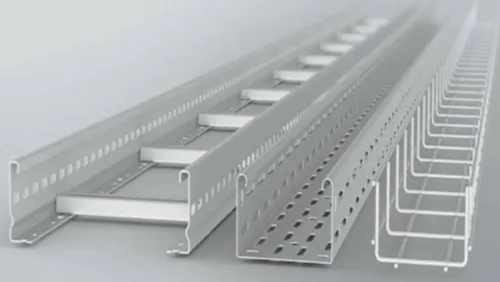
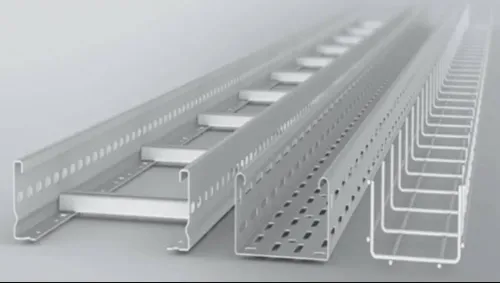
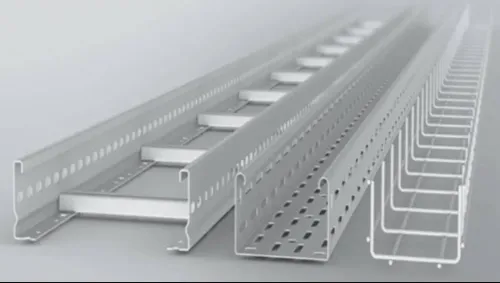
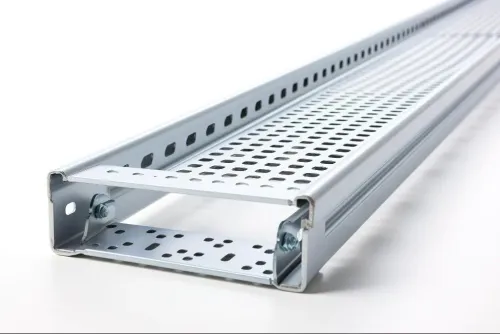
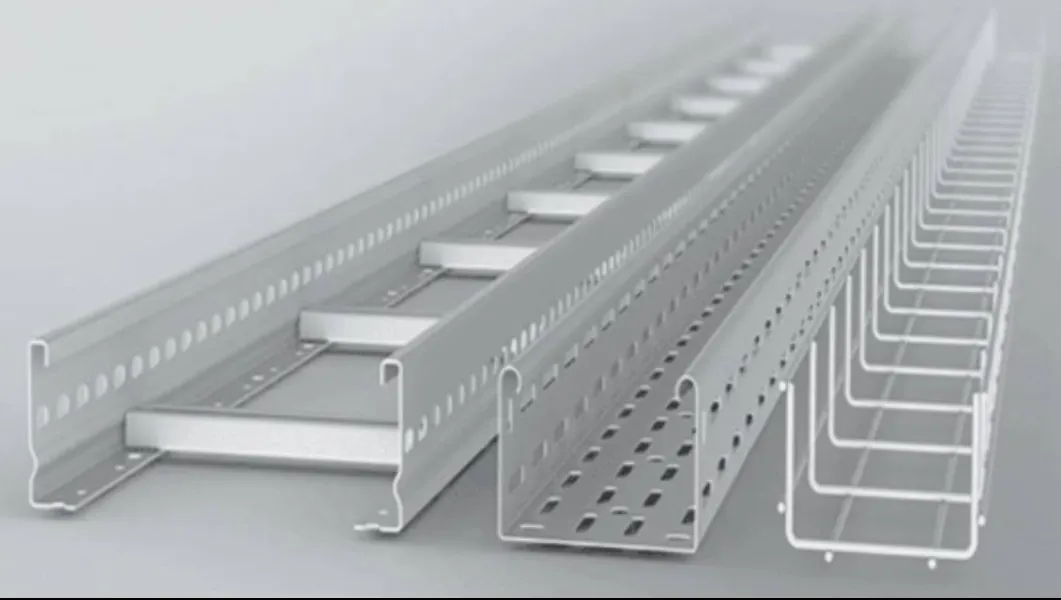
For example, ladder-type systems can provide an open route with good cable accessibility, while perforated trays provide continuous support with ventilation openings. Neither should be treated as universally suitable for every project.
Accessories Are Part of the System
A common planning mistake is concentrating on straight tray lengths while leaving accessories until installation begins.
Actual cable routes may require:
- Horizontal bends
- Vertical bends
- Tees
- Crosses
- Reducers
- Couplers
- Covers
- Supporting components
Planning these items from layout drawings can reduce unnecessary fabrication changes at the installation stage.
Coordination Helps Prevent Procurement Problems
Large projects often involve changing quantities, multiple tray sizes, phased installation, and specific delivery requirements. Accurate communication between engineering, procurement, manufacturing, and installation teams can therefore be as important as the product itself.
Electrotech Industries supports project-based cable tray requirements for customers evaluating suitable cable management solutions in Maharashtra and other industrial markets.
Before placing an order, buyers should prepare tray dimensions, material requirements, finish specifications, quantities, accessory details, drawings where available, and expected delivery stages.
This approach gives manufacturers clearer information to work with and helps buyers compare quotations on equivalent specifications rather than price alone.
Keywords