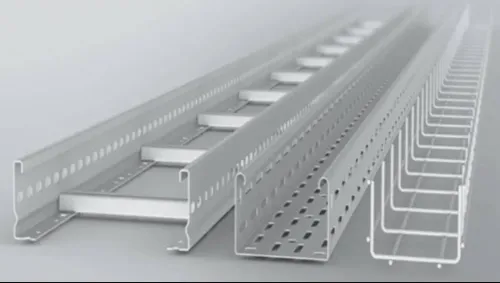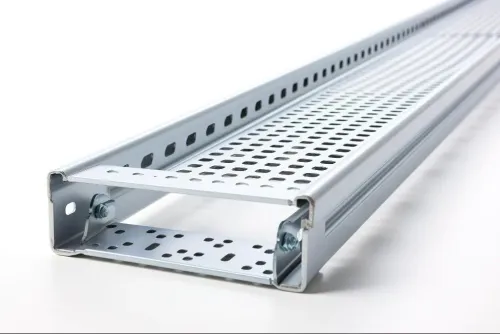
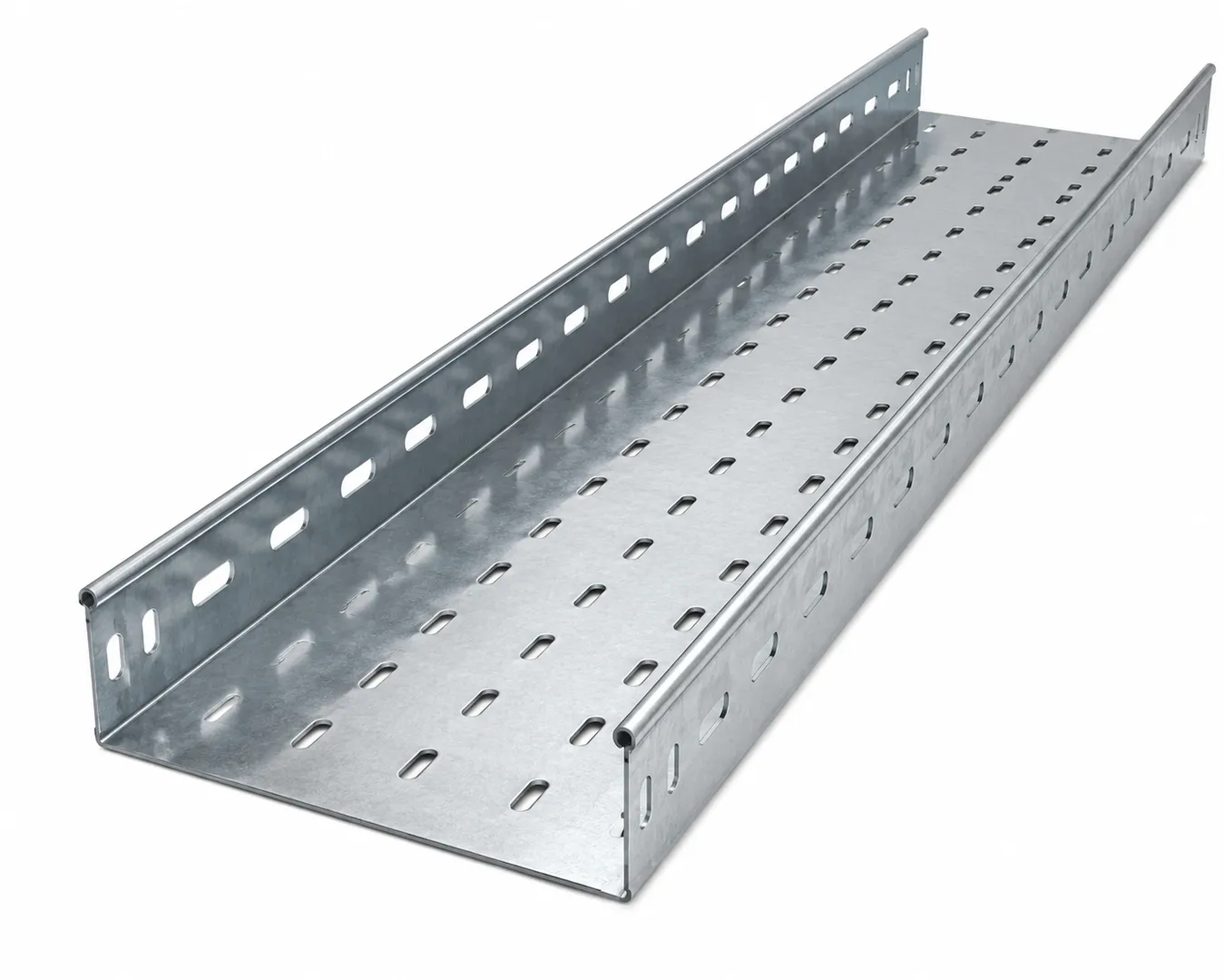
Cable management problems are often noticed only after installation begins. A tray may be too narrow, an accessory may be missing, a bend may not suit the route, or future cable additions may have been overlooked.
For teams evaluating a Cable Tray Manufacturer in Nagpur, careful planning before manufacturing can prevent many of these practical problems.
Mistake 1 – Selecting Tray Size Only for Current Cables
Designing a tray around the exact quantity of cables required today can leave little flexibility for modifications.
Industrial facilities frequently undergo machinery additions, automation upgrades, instrumentation changes, and electrical expansion. Where appropriate and permitted by the project design, allowing planned capacity for future requirements can reduce the need for additional routing infrastructure later.
Future allowance should still be based on engineering considerations rather than simply selecting an oversized tray.
Mistake 2 – Ignoring Cable Load
Tray width is only one part of selection.
The type, number, weight, and distribution of cables influence loading. Support spacing and tray construction also matter. Project engineers should assess these factors together instead of assuming that two trays with similar dimensions will perform identically.
Mistake 3 – Treating Every Environment the Same
A cable tray installed inside a controlled building does not experience the same conditions as one installed outdoors or within an industrial process environment.
Material and protective finish should reflect factors such as:
- Moisture
- Weather exposure
- Corrosive atmosphere
- Dust
- Industrial contaminants
- Project specifications
This is particularly important for industrial projects where equipment is expected to remain operational for extended periods.
Mistake 4 – Forgetting Route Accessories
Straight trays alone cannot complete most cable routes.
Bends, tees, reducers, couplers, covers, and other components may be needed around machinery, structural elements, walls, columns, and service areas.
Preparing routing drawings before procurement helps determine accessory quantities more accurately.
Mistake 5 – Comparing Quotations Without Comparing Specifications
A lower quoted price may reflect differences in material, thickness, finish, dimensions, accessories, or manufacturing requirements.
Procurement teams should therefore compare like-for-like specifications.
Electrotech Industries works with cable tray requirements for industrial and electrical projects where dimensions, quantities, routing components, and project specifications need to be considered together.
For buyers in Nagpur and across Maharashtra, a useful enquiry should include the cable tray type, dimensions, material or finish requirement, approximate quantity, accessories, installation environment, drawings if available, and required schedule.
Better information at the enquiry stage can lead to more accurate manufacturing and smoother installation on site.
Keywords