Electrical cable trays affect how safely and efficiently cables are routed, inspected and maintained. A suitable system should carry the intended load, withstand the surrounding environment and accommodate future additions. Before choosing an electrical cable tray manufacturer in Pune, project teams should resolve seven practical questions.
1. What Types of Cables Will Be Supported?
Power, control, instrumentation and communication cables may require different routing arrangements. Their weight, diameter and separation requirements should be identified before tray dimensions are finalised.
2. Which Tray Design Is Appropriate?
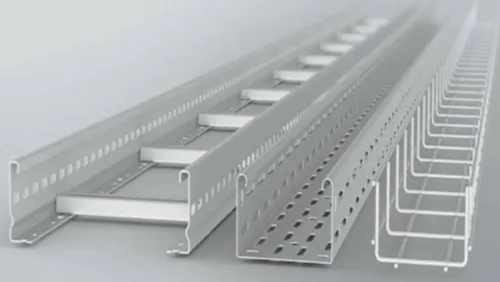
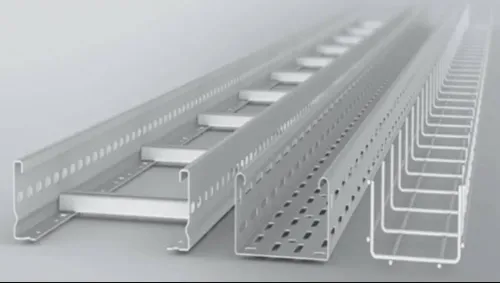
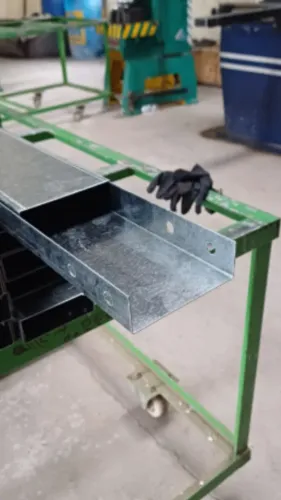
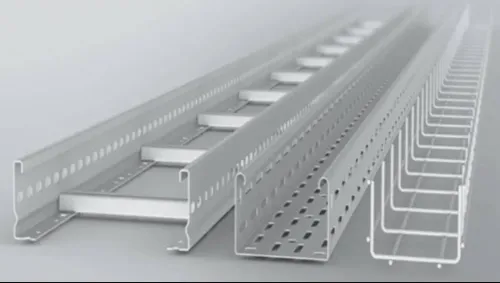
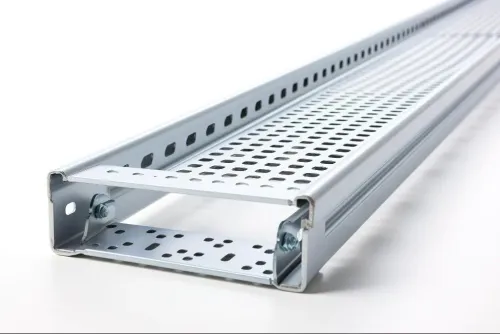
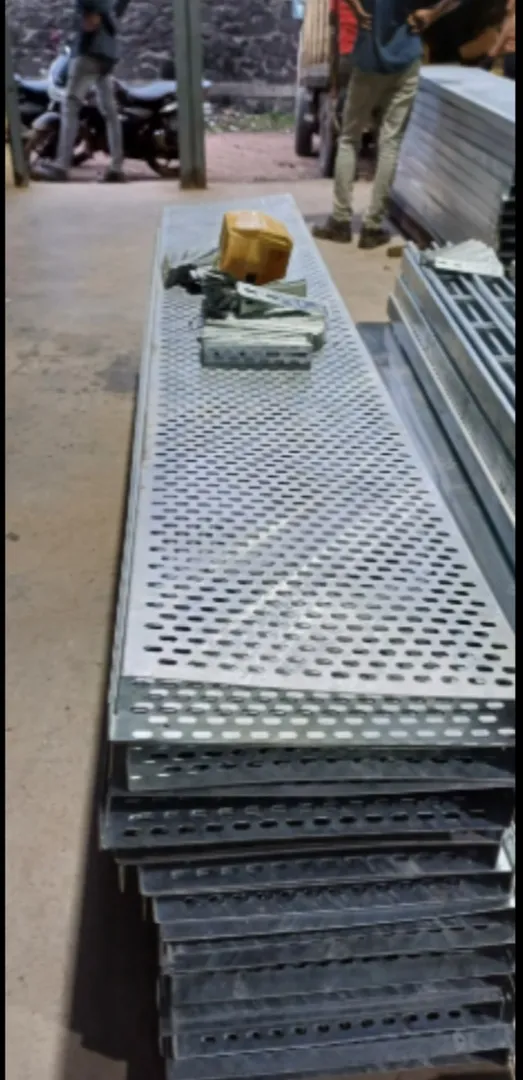
Perforated trays provide continuous support for smaller and mixed cables. Ladder trays offer greater ventilation and are commonly used for heavier power cables.
3. Is the Material Suitable for the Site?
GI and coated MS trays are used across many electrical applications. The final choice should account for humidity, dust, chemicals, temperature and outdoor exposure.
4. Has Load Capacity Been Considered?
Tray width alone does not determine strength. Sheet thickness, side-wall depth, cable weight and support spacing must be evaluated together.
Technical details to request include:
- Base material, actual sheet thickness and protective coating specification
- Recommended support spacing for the stated cable load
- Standard section lengths and dimensional tolerances
- Availability of matching fittings, covers and mounting components
5. Can the Manufacturer Supply Every Accessory?
An electrical route rarely consists only of straight sections. Bends, tees, crosses, reducers, couplers and brackets are essential for completing the system without unsafe modifications.
6. Are Custom Sections Available?
Restricted plant layouts and equipment-entry points may require customised components. The manufacturer should confirm whether project drawings can be translated into fabrication-ready dimensions.
7. How Will Quality and Delivery Be Managed?
Batch consistency, coating integrity and packaging affect installation efficiency. Buyers should also confirm lead times and delivery sequencing.
Positive readiness signs include:
- Quotations provide measurable specifications instead of general product descriptions.
- Drawings and quantities are reviewed before production starts.
- Accessories match the material, dimensions and finish of the straight trays.
- Dispatch schedules correspond with site installation priorities.
Pune’s electrical projects range from commercial complexes and hospitals to factories and distribution facilities. Local requirements often involve space limitations, future expansion and exposure to demanding operating conditions.
Electrotech Industries manufactures electrical cable trays and routing accessories for projects in Pune and across Maharashtra. Requirements can be assessed from cable schedules, technical drawings and site information.
Share the approved route plan with Electrotech Industries and request a component-wise proposal. Asking these seven questions before ordering can help reduce shortages, fabrication errors and avoidable installation changes.
Keywords