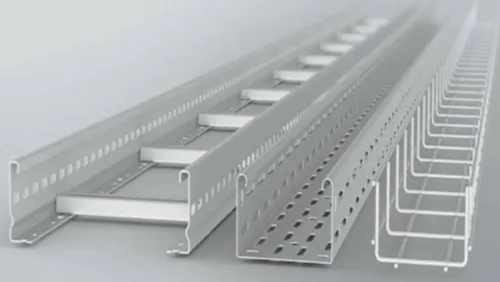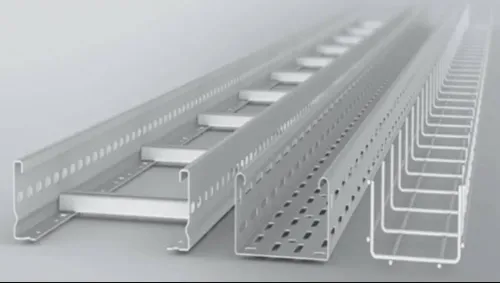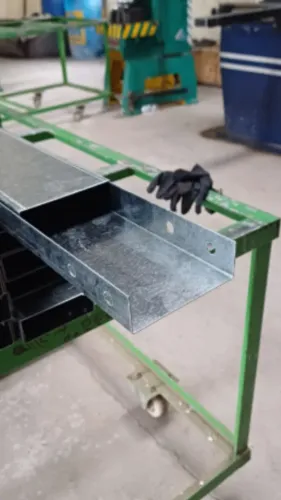
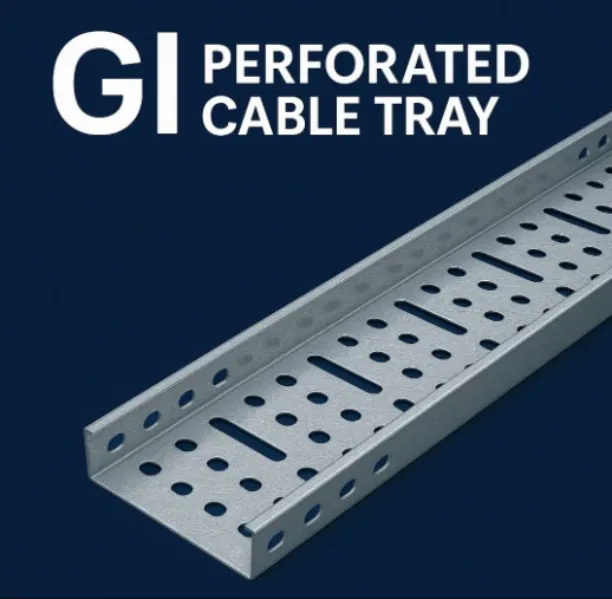
GI cable trays are widely selected for managing electrical and communication cables because their zinc-coated surface offers practical protection against corrosion. They are used in manufacturing plants, warehouses, hospitals, offices, utility spaces and infrastructure projects. Working with a GI cable tray manufacturer in Pune allows buyers to select tray configurations suited to regional industrial and commercial conditions.
Galvanisation creates a protective layer over the underlying steel. This layer helps slow oxidation when the tray is exposed to moisture or normal atmospheric conditions. The level of protection, however, depends on the galvanising method, coating quality, fabrication process and installation environment.
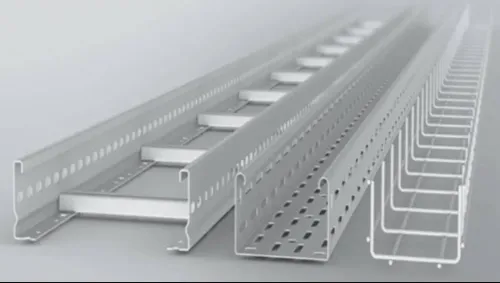
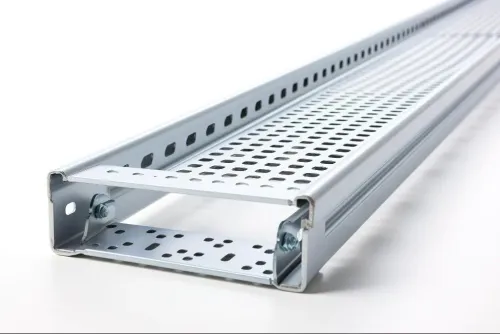
GI trays may be available in perforated, ladder and other configurations. The correct form should be selected according to cable type, load and access requirements rather than coating alone.
Where GI Cable Trays Add Value
- Indoor industrial and commercial areas where occasional humidity or moisture is present
- Utility rooms, service corridors and warehouses requiring durable cable support
- Projects seeking a balance between mechanical strength and corrosion resistance
- Electrical routes needing compatible bends, covers, couplers and support accessories
GI trays are not maintenance-free. Harsh chemical exposure, coastal conditions or continuously wet environments may require a more specialised coating or alternative material. Cut edges and scratches should also be protected because damage to the zinc layer can expose the base metal.
Buyers should distinguish between pre-galvanised and hot-dip galvanised products. Pre-galvanised sheets are coated before fabrication, while hot-dip galvanising is generally completed after fabrication. Their suitability and protection level can differ depending on the application.
Thickness must be matched to cable weight and support distance. A thicker tray does not compensate for poorly positioned brackets, while closely spaced supports cannot correct an unsuitable material specification. Tray design and support planning should be evaluated together.
Checks Before Finalising a GI Tray Order
- Verify the galvanising type, base sheet thickness and expected exposure conditions.
- Confirm the maximum cable load and proposed distance between tray supports.
- Inspect how fabricated edges, joints and drilled areas will be protected.
- Include matching fittings and accessories with the same finish wherever practical.
Industrial areas around Pune serve automotive, engineering, pharmaceutical and logistics operations. Cable trays in these facilities may face dust, vibration, heat and periodic moisture. Project drawings should identify such conditions so the coating and tray strength can be specified accurately.
Electrotech Industries manufactures GI cable trays and compatible accessories for projects in Pune and across Maharashtra. Requirements can be evaluated using cable data, route drawings and environmental information.
Ask Electrotech Industries to review the load, support span and exposure category before ordering. This assessment can help determine whether the proposed GI tray system provides an appropriate balance of durability, performance and project cost.
Keywords