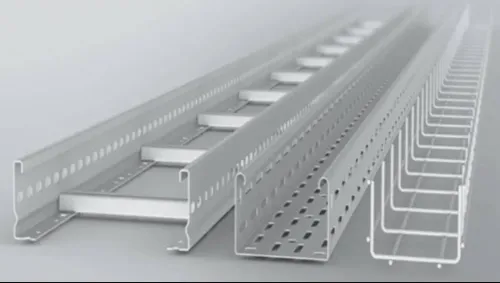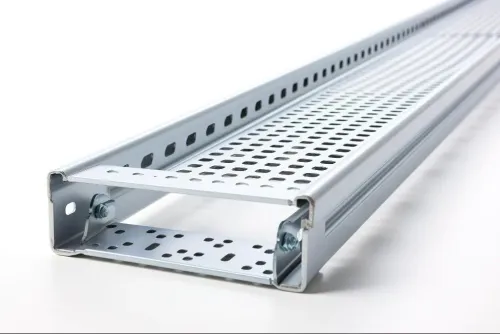
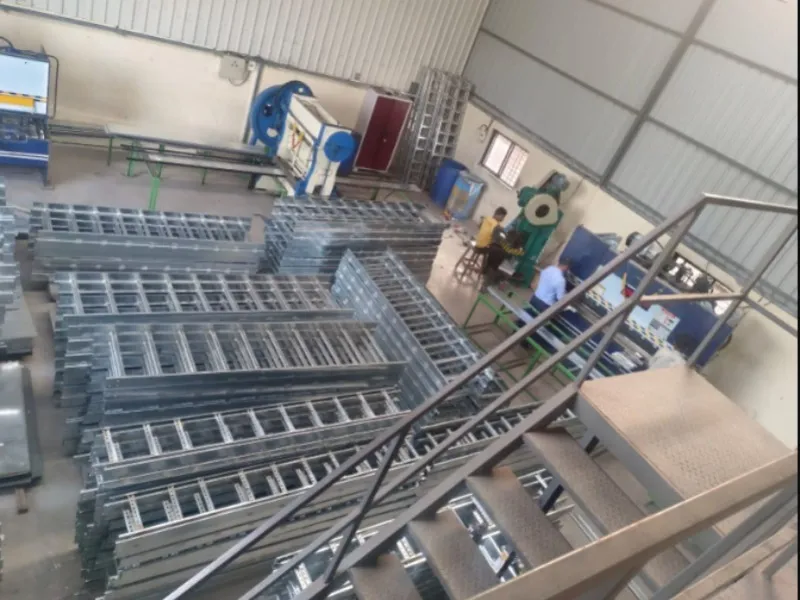
Industrial cable tray systems must perform reliably around machinery, electrical panels, production lines and utility networks. Unlike basic cable routing, industrial installations may involve heavy loads, vibration, heat, dust and chemical exposure. Choosing an industrial cable tray manufacturer in Pune should therefore begin with project readiness rather than product price.
Step 1: Define the Operating Environment
Identify whether the trays will be installed indoors, outdoors, underground, on rooftops or near processing equipment. Exposure to humidity, oil, chemicals and high temperatures will influence the material and coating specification.
Step 2: Prepare the Cable Schedule
The manufacturer needs information about cable types, sizes, quantities and approximate weights. Power and control cables may also require separation to reduce interference and simplify maintenance.
Step 3: Map the Complete Route
A route drawing should show horizontal and vertical changes, junctions, width transitions and equipment-entry points. This helps determine the quantity of straight sections and accessories.
Your project file should contain:
- Tray type, width, depth, thickness, material and protective finish
- Cable load, allowable fill percentage and space for planned expansion
- Support locations, maximum spans and installation elevations
- Quantities of bends, tees, reducers, covers, couplers and brackets
Step 4: Assess Manufacturing Capability
An industrial project may require non-standard dimensions or fabricated sections. The manufacturer should be able to work from approved drawings and maintain dimensional consistency across production batches.
Step 5: Review Structural Performance
Heavy cables can create significant load over long routes. The tray and support arrangement should control sagging while remaining practical for installation. Structural suitability should be based on actual project data.
Step 6: Plan Inspection and Delivery
Quality inspections should verify dimensions, coating, edge finishing and accessory compatibility. Delivery may be divided according to installation zones to reduce site congestion and storage damage.
Readiness indicators before issuing the order include:
- Route drawings and cable schedules have been approved by the project team.
- Tray specifications match environmental and loading conditions.
- Accessories have been quantified instead of estimated at the installation stage.
- Production and dispatch dates align with the electrical work programme.
Pune’s industrial corridors support automotive, pharmaceutical, food-processing, engineering and logistics facilities. Each environment creates distinct cable-management requirements.
Electrotech Industries manufactures industrial cable trays for projects in Pune and other parts of Maharashtra. Standard and customised systems can be developed from technical drawings and application details.
Arrange a requirement review with Electrotech Industries before releasing the final purchase order. A coordinated review of loads, routes, accessories and delivery stages can support faster installation and dependable long-term performance.
Keywords