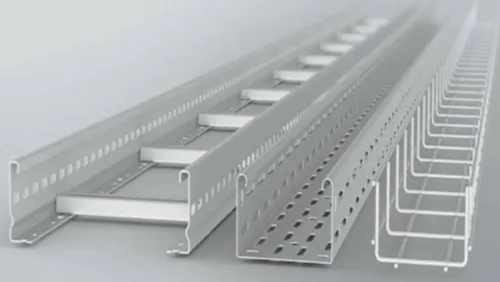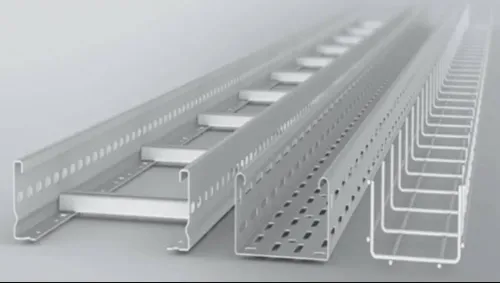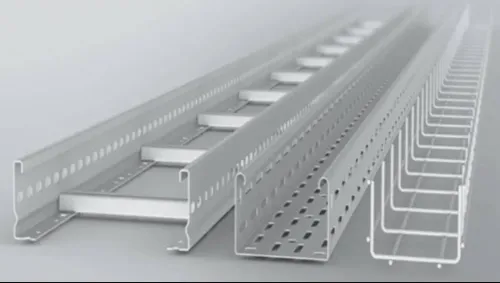
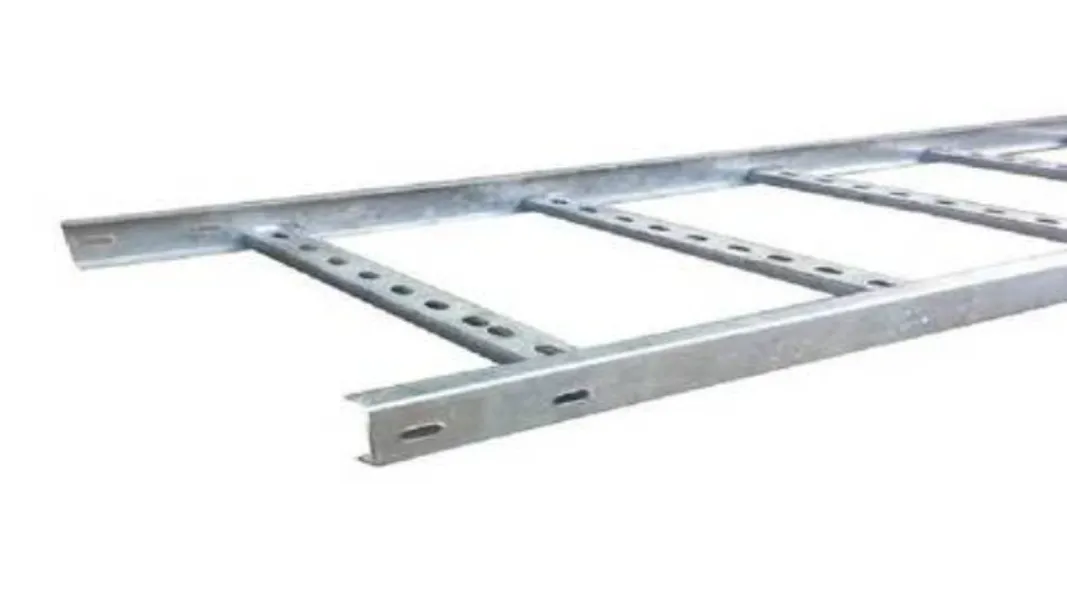
Ladder cable trays are designed for installations that carry heavy power cables over extended routes. Their construction features two side rails connected by regularly spaced rungs, creating a strong yet open support system. A ladder cable tray manufacturer in Pune can produce different widths, depths, thicknesses and finishes according to the cable load and project environment.
The open structure allows heat to dissipate around power cables. It also gives maintenance teams convenient access for inspection, fastening and cable replacement. However, ladder trays are not automatically suitable for every application. Lightweight control wires or small communication cables may require additional support or a different tray design.
Situations Where Ladder Trays Work Well
- Heavy power cables must be routed across factories, substations, warehouses or utility areas.
- Longer distances between supports require a tray with greater structural rigidity.
- Cable ventilation is important because of operating temperature or current load.
- Future additions and maintenance access must remain relatively straightforward.
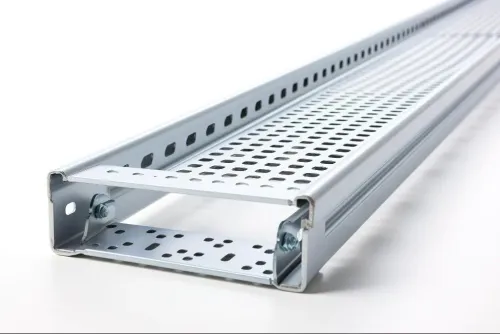
Ladder trays are frequently compared with perforated cable trays. A perforated tray offers continuous bottom support, making it useful for smaller cables and mixed wiring. A ladder system provides less surface contact and better airflow, making it more suitable for larger power cables in many industrial environments.
The correct choice depends on cable diameter, combined weight and support span. Excessive spacing between brackets can cause deflection, even when the tray itself is manufactured from strong material. Structural calculations and manufacturer load information should guide the support layout.
Tray width should allow cables to be placed without overcrowding. Additional capacity may be included for future expansion, but unnecessary oversizing can increase material and support costs. Cable-bending radius must also be considered at route changes.
Specification Questions to Resolve
- What cable load and maximum support span must the tray accommodate?
- Which material and coating suit the site’s moisture, dust and corrosion exposure?
- Are horizontal bends, vertical bends, tees, reducers and covers required?
- Will the system need customised rung spacing or mounting arrangements?
In Pune and Maharashtra’s industrial corridors, ladder trays are used across engineering, automotive, pharmaceutical and processing facilities. These sites may involve vibration, heat, dust and demanding maintenance schedules. A project-specific system is therefore more reliable than choosing trays through dimensions alone.
Electrotech Industries manufactures ladder cable trays and related routing accessories for industrial projects in Pune. Standard and customised configurations can be assessed from layout drawings and cable data.
Share the cable schedule and proposed support distances with Electrotech Industries before finalising production. A load-based review can help prevent unnecessary oversizing while ensuring dependable cable support.
Keywords