

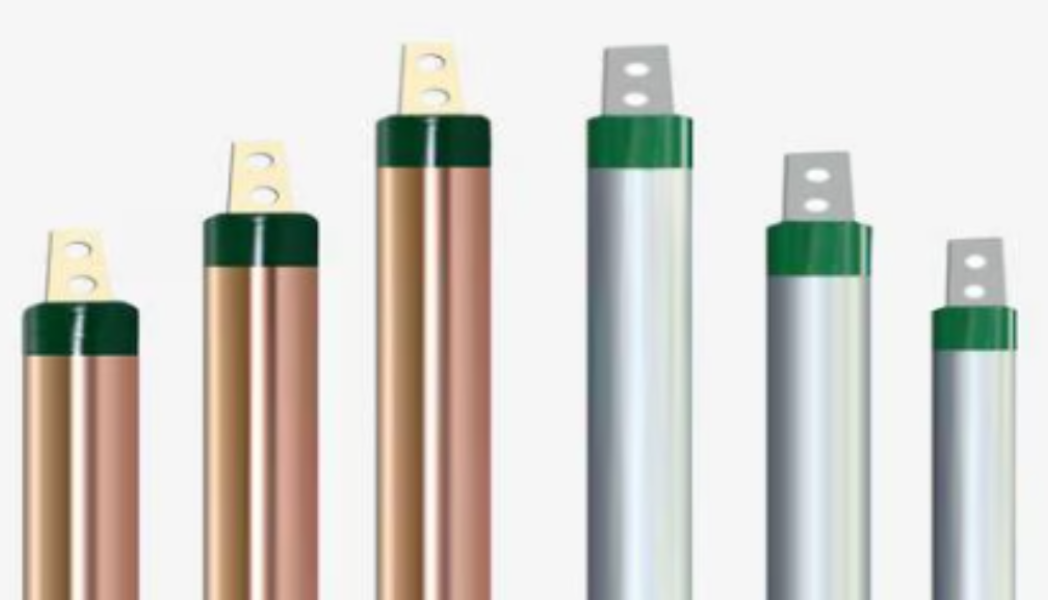
An earthing rod provides a controlled path for fault current and electrical surges to dissipate into the ground. It contributes to the protection of people, electrical equipment and building systems. Choosing an appropriate earthing rod manufacturer in Pune begins with understanding that electrode performance depends on both product quality and site conditions.
Soil resistivity is one of the most important considerations. Moist soil generally conducts electricity more effectively than dry, sandy or rocky ground. The required rod length, diameter, quantity and spacing should be decided after evaluating the soil and the target earth resistance.
The electrical load and application also influence the design. A small commercial property, industrial plant, telecom facility and lightning-protection system may have different grounding requirements. Using a standard electrode arrangement for every site can result in inconsistent performance.
Earthing Rod Features to Evaluate
- Material composition, conductivity and resistance to corrosion under the expected soil conditions
- Rod diameter and length in relation to installation depth and mechanical driving requirements
- Thread quality and coupler strength when multiple rod sections must be joined
- Compatibility with clamps, conductors, earth pits and other components in the grounding system
Mechanical strength is important because the rod must withstand driving force without bending or damaging its conductive surface. Where deeper installation is required, couplers should maintain reliable structural and electrical continuity.
Corrosion can gradually reduce the useful cross-section of an unsuitable electrode. Soil containing moisture, salts, chemicals or industrial contaminants may accelerate deterioration. Selecting the rod material without considering these factors can shorten the service life of the earthing arrangement.
Installation quality also affects the final result. Connections should remain secure and protected from physical damage. The earth pit should allow access for inspection and testing where applicable. Loose clamps and inaccessible joints can make future maintenance difficult.
Recommended Installation Practices
- Conduct soil-resistivity testing and calculate the required electrode arrangement before procurement.
- Maintain suitable spacing when multiple rods are used so that their effective resistance areas do not excessively overlap.
- Use compatible clamps and conductors to reduce loose connections and material-related corrosion.
- Measure earth resistance after installation and record the results for periodic maintenance comparisons.
Pune and its surrounding industrial areas contain varied soil profiles. Conditions in an established commercial zone may differ from those in an industrial estate or undeveloped plot. Local site testing is therefore more dependable than assumptions based only on nearby installations.
Electrotech Industries manufactures earthing rods for commercial, industrial and infrastructure applications in Pune. Requirements can be evaluated according to drawings, site conditions and electrical specifications.
Provide the soil test details and target resistance value to Electrotech Industries before ordering. A properly specified rod combined with verified installation practices can support safer and more maintainable grounding performance.